

Temperature Monitoring of Medical Refrigerators via IoT

Historical data analysis
Real-time monitoring
Workload reduction and error minimisation
Complete documentation
The project aimed to replace the existing heterogeneous refrigerator landscape with analog temperature monitoring by implementing an IoT-based solution. The goal was to develop a new, scalable, and user-friendly system that meets the stringent requirements of quality assurance.
Previously, temperature recording was done using DIN-A4 sheets. Legal requirements mandate daily temperature monitoring of refrigerators, which is time-consuming for staff and prone to errors, as temperature is only checked at the moment of reading.
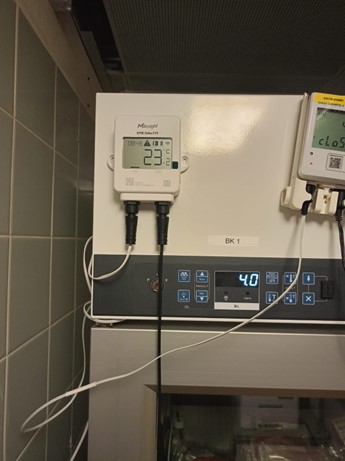
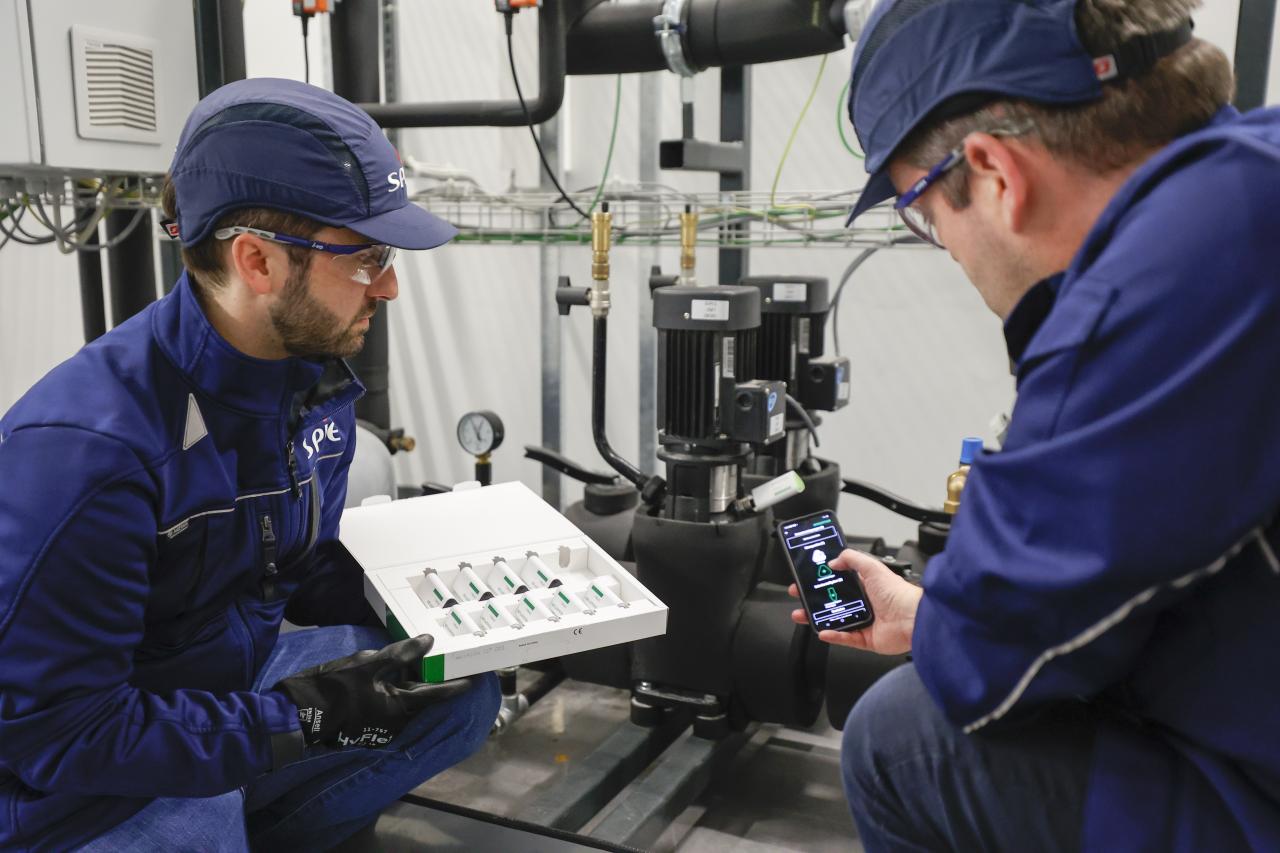
SPIE is currently implementing three temperature monitoring projects for refrigerators. The first project, covering refrigerators for blood products, plasma, and medications, was carried out at the Evangelisches Krankenhaus Königin Elisabeth Herzberge. Here, battery-powered sensors combined with SPIE’s proprietary IoT platform ensure continuous temperature monitoring, significantly reducing staff workload.
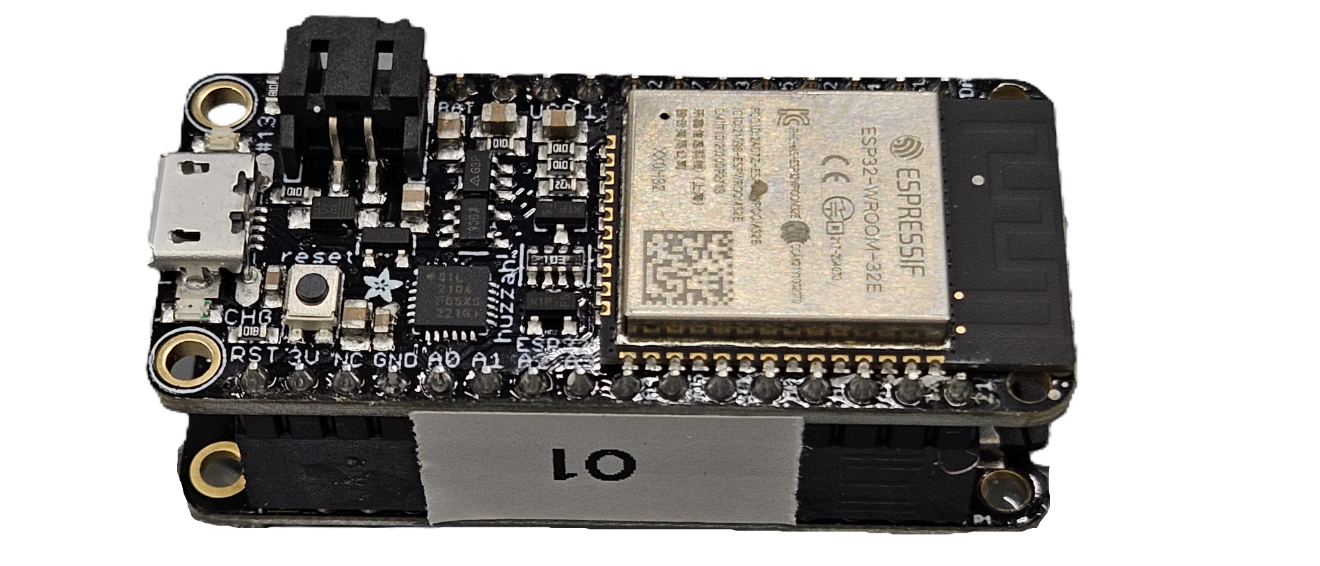
All relevant temperature ranges are recorded, with requirements varying between –20 °C and +8 °C depending on the stored items. The system supports installations in explosion-hazard environments as well as standard refrigerators. Specialized sensors transmit data via gateways to the IoT platform. Customers can access the data anytime, with access levels tailored to their roles. An advanced alarm management system promptly alerts any temperature deviations, and integration with existing alarm servers is seamless thanks to open interfaces.
The era of the DIN-A4 sheet is over. Continuous documentation via the dashboard and long-term data logging comply with the latest technological standards.

Duration:
01.05.2024 – 08.07.2024
Contact:
Dan Fischer
dan.fischer@spie.com
Atilla Karagülle
atilla.karaguelle@spie.de
Artikel teilen



IHR KONTAKT/ YOUR CONTACT
SPIE GERMANY SWITZERLAND AUSTRIA

Clarissa Hack
Leiterin/ Head of Digital Transformation
clarissa.hack@spie.com