

Our digital solutions are key to enabling successful digital transformation for our customers.
Digital transformation is a core element of our corporate strategy. As many of our customers are also undergoing this transformation, our goal is to grow alongside them and jointly develop practical, solution-oriented approaches. We take pride in having already implemented a number of initiatives in close collaboration with our clients. For example, together with a customer from the automotive sector and the Fraunhofer IAO at ARENA2036, we developed an application-oriented approach to digital building twins. In another project, we connected our operational systems with those of an energy provider and exchanged insights as part of our Digital Leadership Training program.
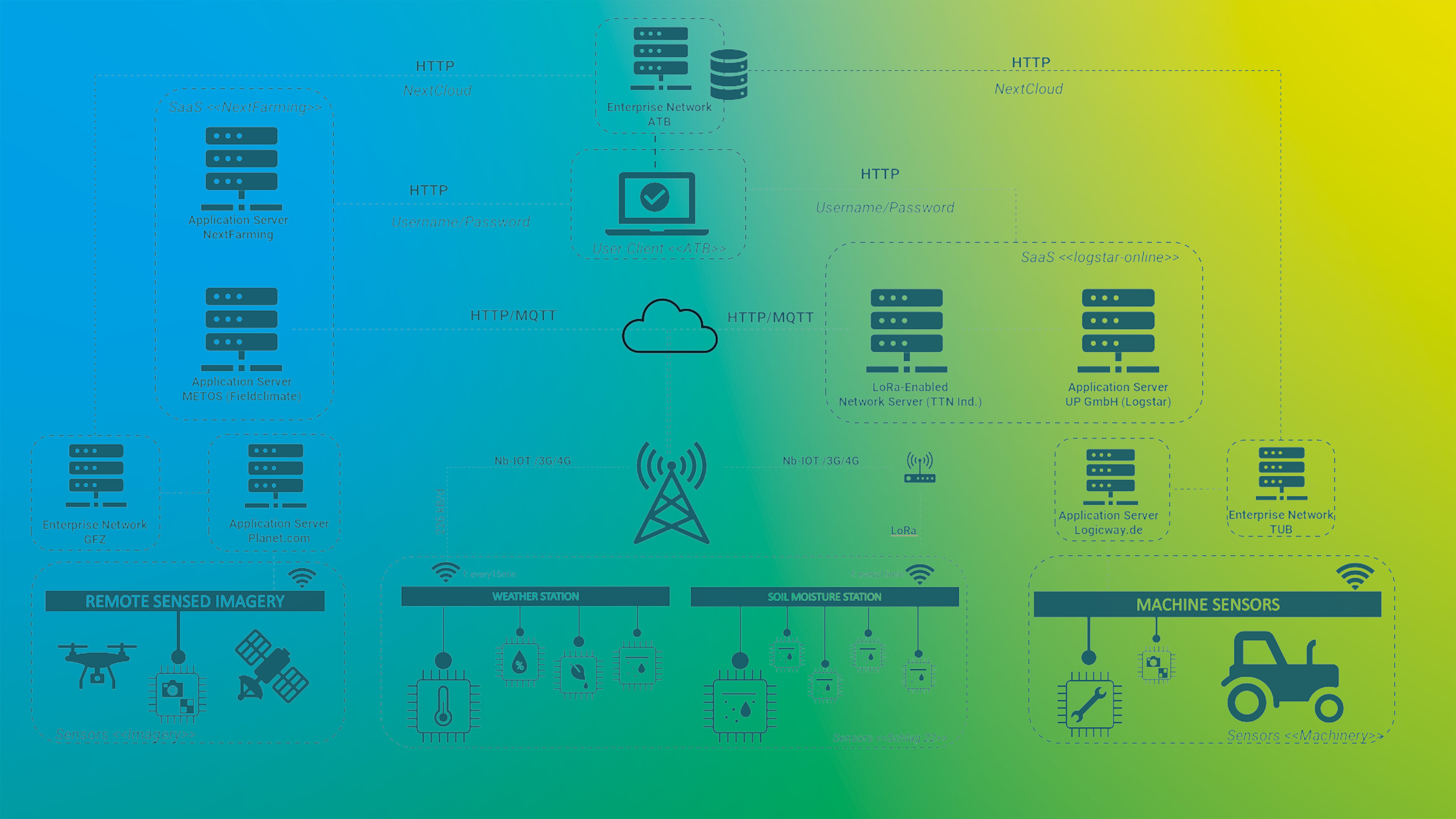
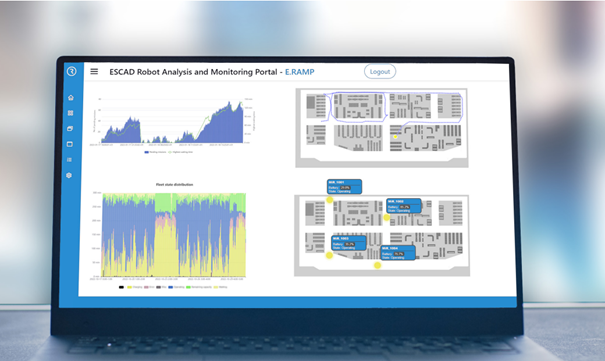
As a multi-technical service provider, SPIE creates the infrastructural foundations for Europe’s digital transformation. We design, build, and maintain energy infrastructure, construct data centers, and install and operate communication networks. To continuously enhance our efficiency and quality, we integrate digital applications into our existing services—for example, by developing predictive maintenance models or smart solutions for construction documentation. We also expand our portfolio with digital products for our customers, such as an intelligent customer portal or IoT solutions for condition monitoring—whether in buildings, technical systems, or even in vegetation.
To provide targeted support, we have established internal units that address our customers’ needs with innovative digital solutions. Some of these capabilities were added to our portfolio through strategic acquisitions.