

Geo-Risk Assessment in Infrastructure Planning
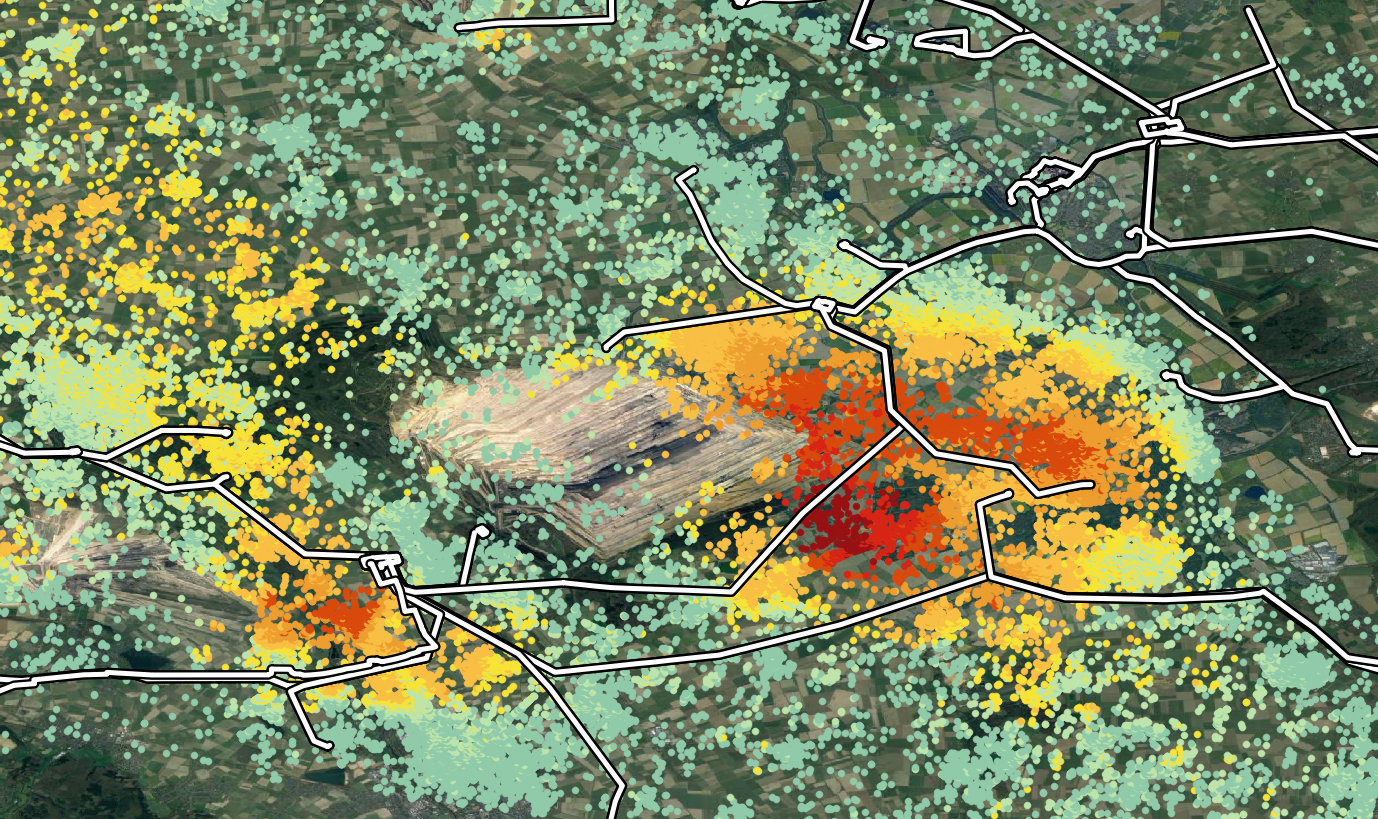
Forecasting and deformation trend analysis for planning
Accurate data analysis to inform action
No hardware installation required
Continuous temporal monitoring
Landslides rank among the most common georisks in Europe, while ground subsidence can develop gradually over many years, severely compromising infrastructure stability. Our SAR interferometry solution supports effective monitoring of these risks.
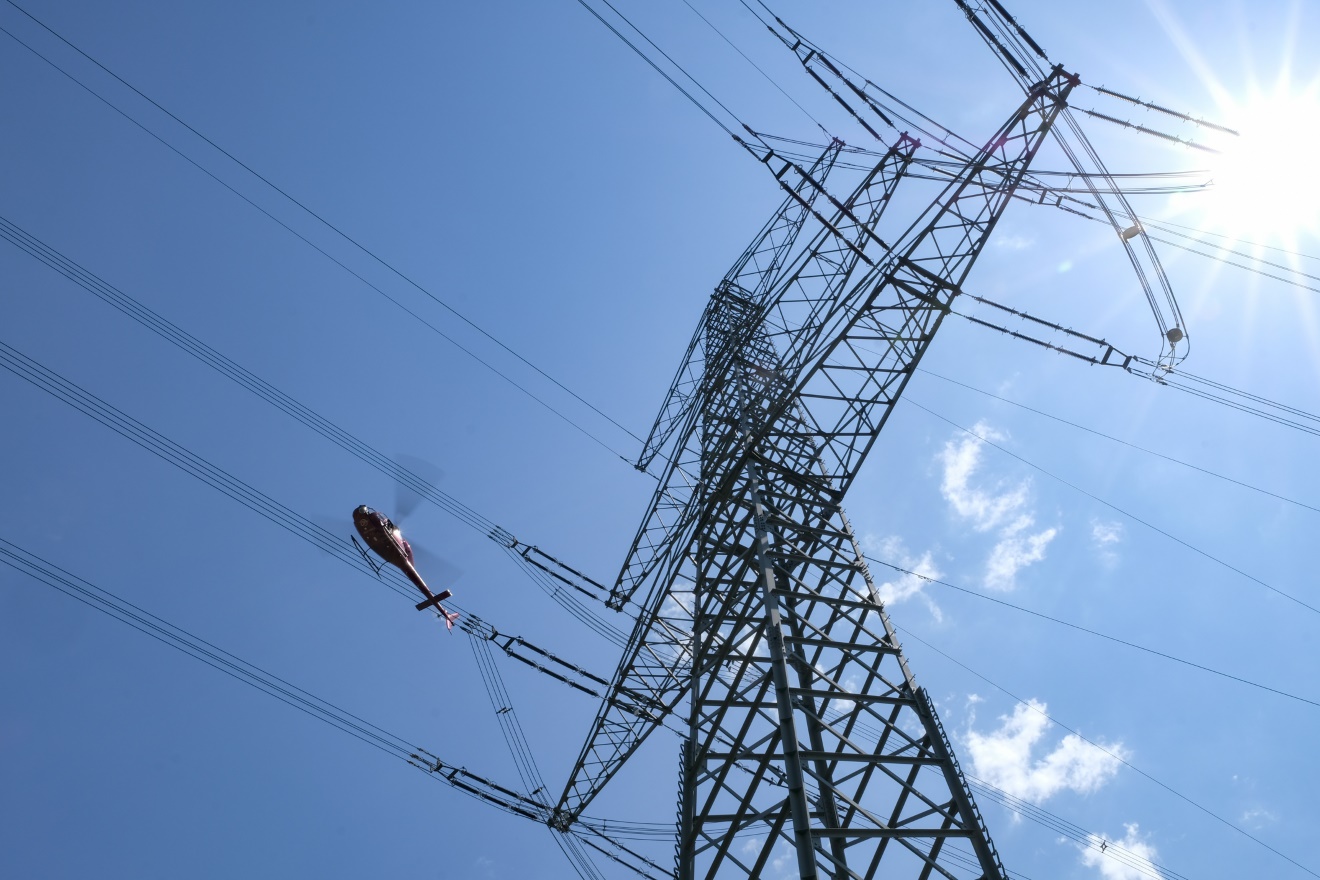
Synthetic Aperture Radar Interferometry (SAR) is a remote sensing technique used to detect ground movements. It enables the measurement of even the smallest shifts in the Earth's surface, with a focus on the topographical environment surrounding overhead power lines.
The analysis utilizes radar images from the Sentinel 1A and 1B satellites, part of the Copernicus program— a joint initiative of the European Commission and the European Space Agency (ESA).
The process compares two or more radar images captured at different times. By analyzing the differences in distance measurements between the satellite and each pixel on the ground, displacement rates are calculated. This allows for centimeter-precise detection of surface deformations along the satellite’s line of sight (LOS).
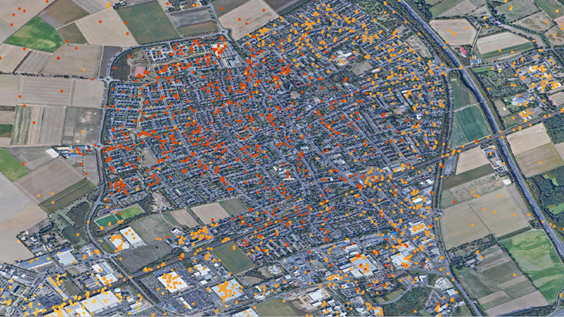
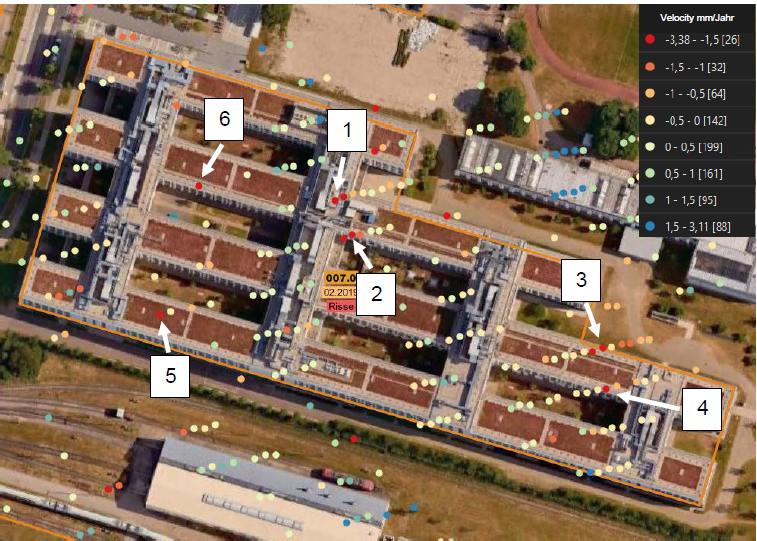
Persistent Scatterer Interferometry (PSI) allows for even more precise analysis by focusing exclusively on pixels that remain coherent (stable) over extended periods. Typically, these are anthropogenic objects such as buildings, roads, railways, or overhead line masts. This method enables the assessment of deformation over multiple years.
PSI provides insights into how much a structure’s position has shifted due to ground movement within a defined timeframe. When a deformation trend is detected, it can signal the need for medium- to long-term intervention to prevent damage to infrastructure corridors. We already employ this technique for building monitoring at a leading automotive manufacturer in Bavaria.




IHR KONTAKT/ YOUR CONTACT
SPIE GERMANY SWITZERLAND AUSTRIA

Clarissa Hack
Leiterin/ Head of Digital Transformation
clarissa.hack@spie.com