
Digital Twin for Operational Equipment in Tunnel Systems

Documentation of construction progress
Defect tracking and resolution
Accurate measurement
Linking images and documents within plans
Enhancing construction efficiency
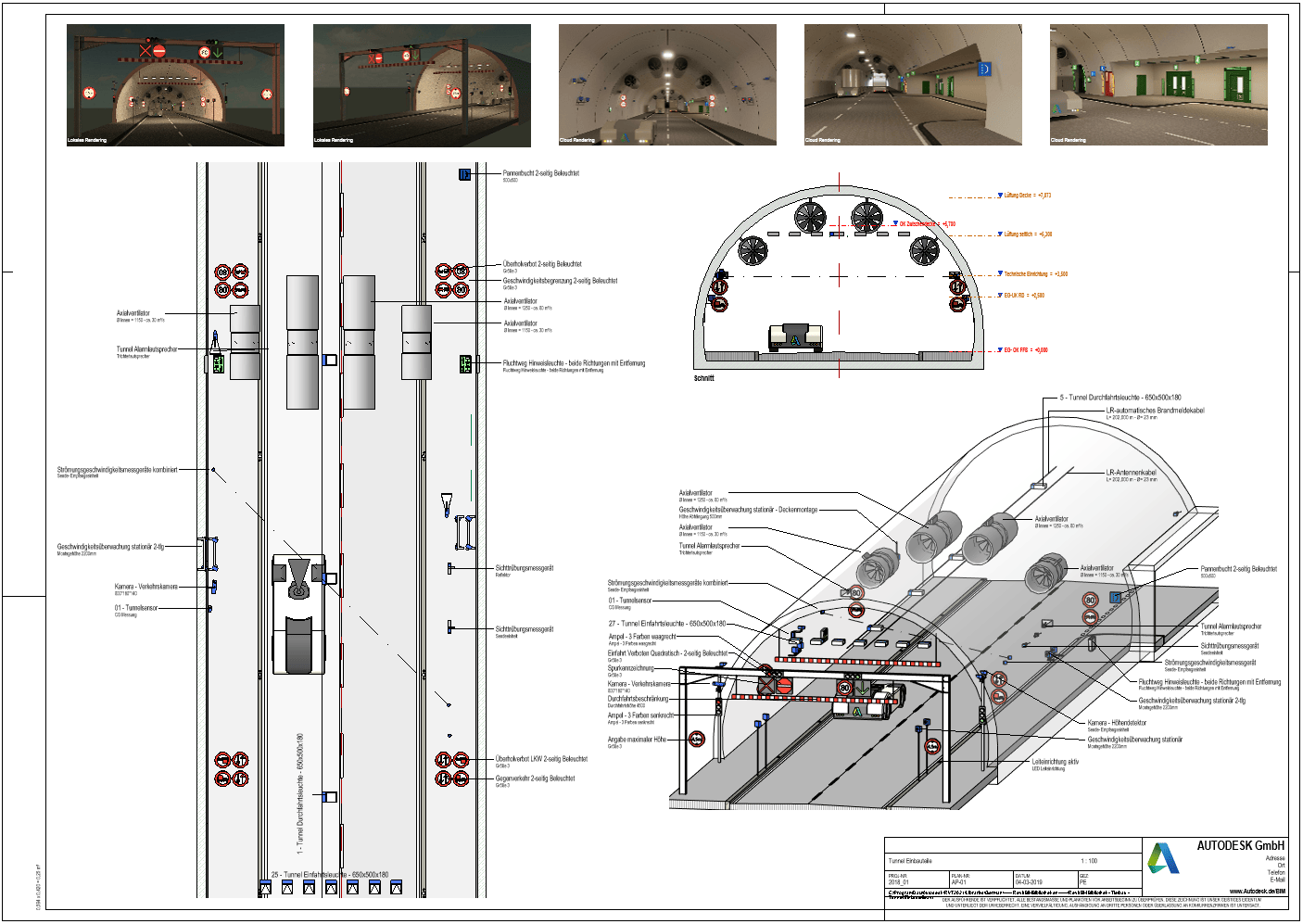
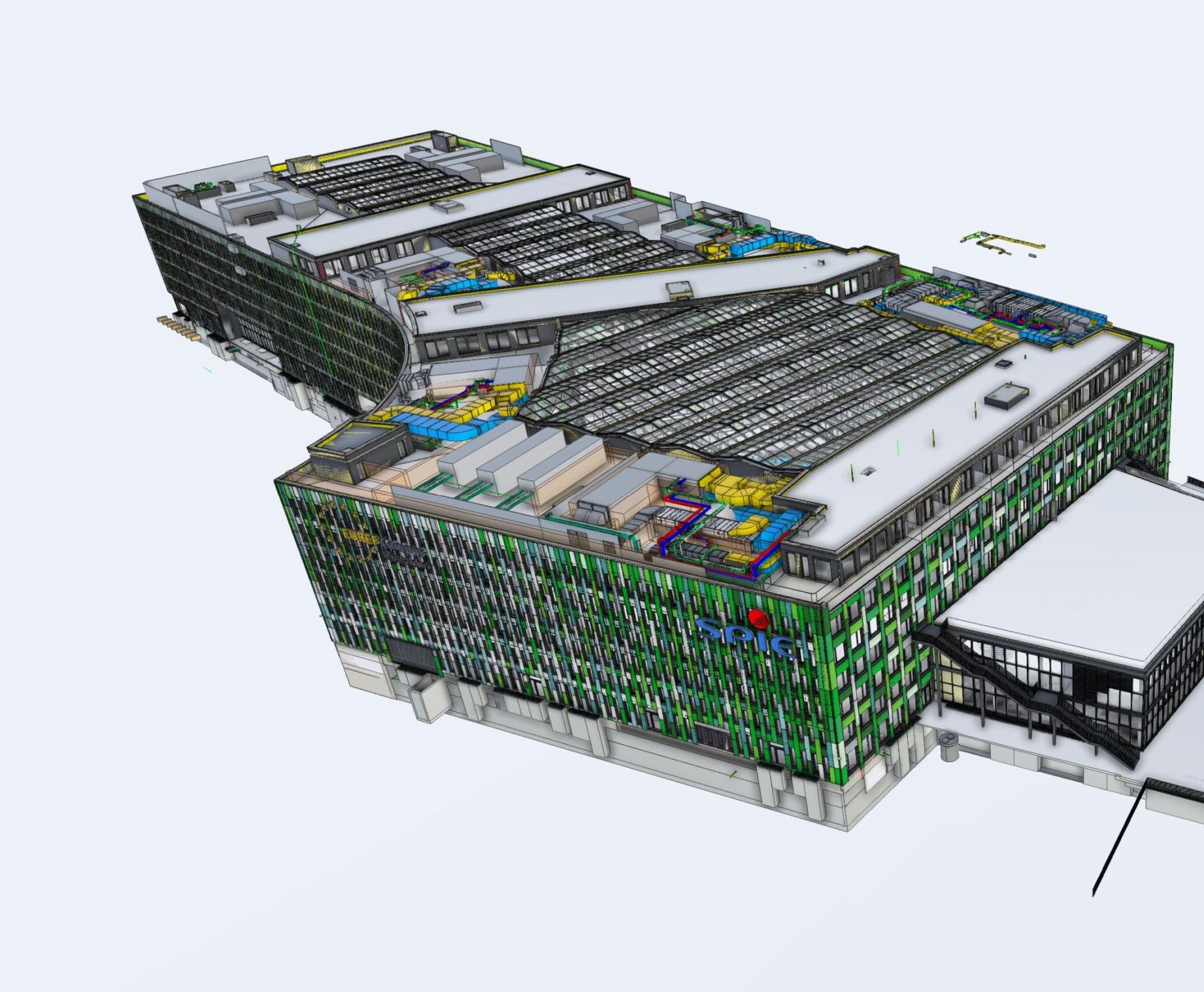
The application of digital twins in the electrical systems of tunnels opens up new possibilities for planning, monitoring, and optimizing complex infrastructures. The digital twin virtually represents the physical infrastructure and integrates all relevant data and processes.
During the planning phase, the digital twin enables precise simulation of electrical systems before installation. This includes components such as lighting, ventilation, fire protection, emergency power supply, and communication systems. The digital model allows engineers to test different scenarios and determine the optimal system configuration. Potential issues can be identified and resolved early on, resulting in a more efficient and cost-effective installation.
Throughout construction, the digital twin serves as a central coordination platform for all stakeholders. It facilitates continuous monitoring of progress and ensures all systems are installed according to specifications. Adjustments and optimizations can be made in real time if unexpected challenges arise, ensuring seamless integration of electrical systems into the tunnel infrastructure.
A key benefit of the digital twin is proactive maintenance. By analyzing operational data, signs of wear and potential malfunctions can be detected early. Rather than reacting to failures, maintenance can be planned and carried out preventively, minimizing downtime and enhancing operational safety—especially critical in tunnels where failures significantly impact safety and traffic flow.
In emergency planning and response, the digital twin plays a vital role as well. In the event of an incident, the model provides rapid, data-driven decision support. Emergency responders can access precise information about the tunnel infrastructure to take the best possible measures to protect lives and reduce damage.
Overall, the digital twin not only improves planning, installation, and construction processes but also ensures a safer and more efficient tunnel operation.




IHR KONTAKT/ YOUR CONTACT
SPIE GERMANY SWITZERLAND AUSTRIA

Clarissa Hack
Leiterin/ Head of Digital Transformation
clarissa.hack@spie.com